When a little one looks away at a bright toy or turns their head to avoid a gaze, it can feel like a silent mystery. These moments often raise a question that many parents ask: What does it mean when my child avoids eye contact, especially if they might be on the autism spectrum? This article explores the nuances of autism early eye contact issues, why they matter, and how you can help your child feel more comfortable and connected.
What Are Early Eye Contact Issues?
Signs in Toddlers
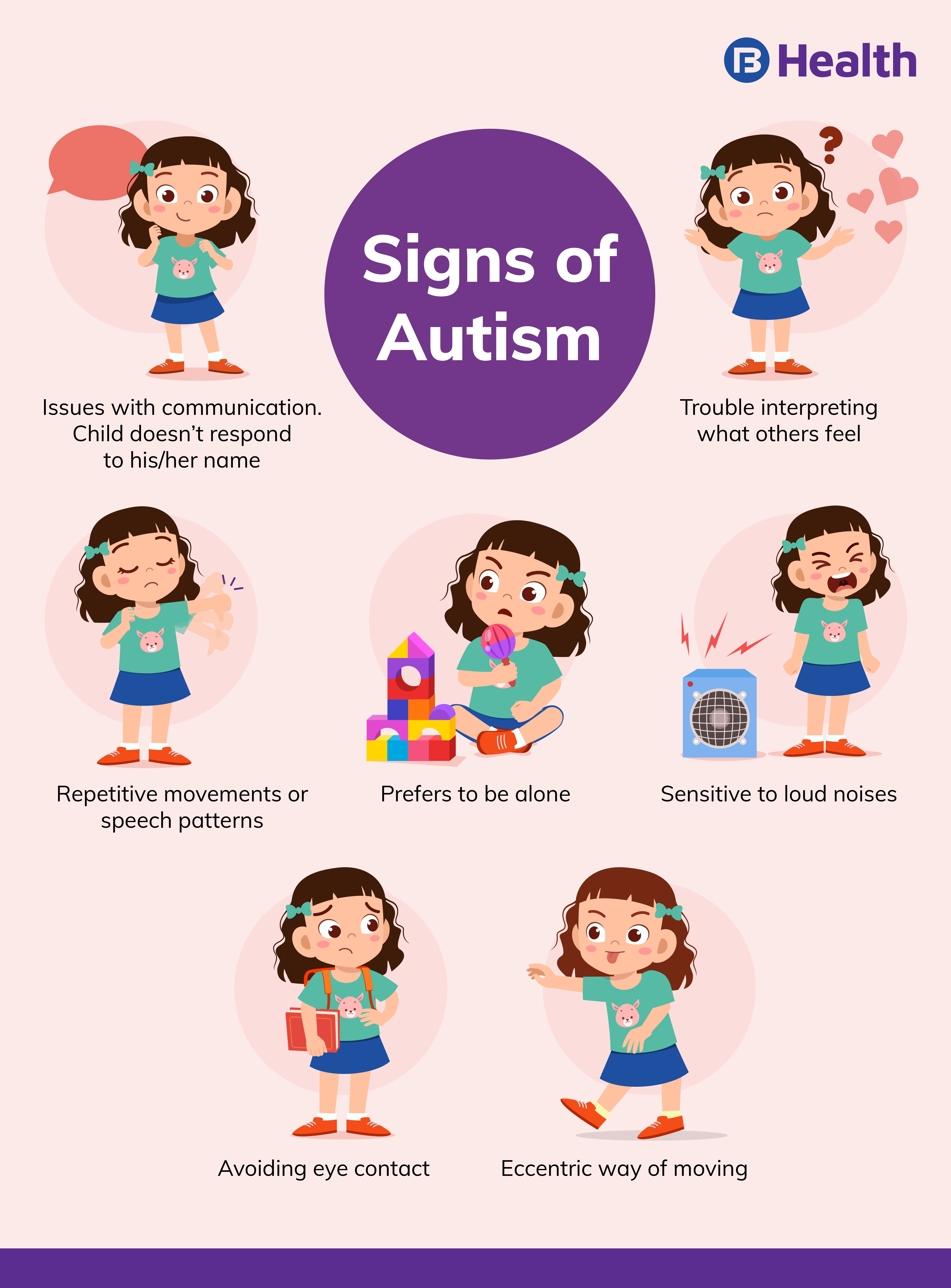
- A child who rarely meets eye contact during play or conversation. Frequent looking away when a caregiver speaks. Difficulty maintaining a gaze during a story or a song.
These behaviors can appear as early as 12 to 18 months, often before other developmental milestones are fully evident. Recognizing these signs early can help you support your child’s communication journey.
Why It Matters
Eye contact is more than a social nicety; it’s a foundational tool for language acquisition, emotional regulation, and building trust. When a child skips this step, it can ripple through their learning experience, making it harder to pick up cues about tone, interest, or safety.

> “Eye contact is the language of the heart,” a therapist once told me, and that resonates with the quiet way our children learn before they can even speak.
Behind the Scenes: Why Some Kids Avoid Eye Contact
Neurological Factors
Research shows that differences in brain connectivity—particularly in regions responsible for social processing—can make eye contact feel overwhelming or uninformative for some children on the spectrum.
Sensory Overload
Bright lights, loud noises, or even the simple act of focusing on another person’s eyes can create a sensory flood. In such moments, a child may instinctively look away to regain calm.
Social Learning
Children learn social norms by mimicking peers and adults. If a child sees others avoiding eye contact, or if they feel judged for looking away, they may adopt the same behavior Hyperfocus as a coping mechanism.
Practical Tips for Parents and Caregivers
Gentle Encouragement
- Short, playful prompts: “Can you look at me for a second while I read the book?” Use a smile or a wink to make the request feel less formal.
Using Visual Supports
- Picture cards showing “eye contact” or “look at me” can give a concrete cue. Eye contact games—like “peekaboo” or “Simon says”—turn the skill into a fun challenge.
Professional Guidance
- Early intervention programs often include social skills coaching. Speech‑language pathologists can provide targeted exercises to improve comfort with gaze.
When to Seek Help
Red Flags
- Persistent avoidance of eye contact beyond the first year of life. Concurrent delays in speech, motor skills, or social interaction. Signs of distress when being looked at, such as flinching or covering the face.
Evaluations
- Developmental screening tools like the Ages and Stages Questionnaire can flag potential concerns. Comprehensive assessments by pediatric neuropsychologists can identify autism spectrum conditions and related sensory issues.
The Bigger Picture: Autism and Communication
Eye Contact as a Window
While eye contact is a powerful tool for communication, it’s just one of many windows into a child’s world. Many children on the spectrum use alternative strategies—like gestures, facial expressions, or vocal tones—to convey meaning.
Building Confidence
Encouraging a child to engage in eye contact at their own pace can boost self‑esteem. Celebrate small victories, such as a brief look during a game or a shared smile.
Eye Contact: A Bridge, Not a Barrier
Imagine eye contact as a bridge across a river of misunderstanding. Some kids build sturdy bridges early; others need a scaffold. With patience, the right supports, and a sprinkle of humor—because, after all, even the most serious conversations can use a chuckle—you can help your child cross that river confidently.
> “We all need a bit of eye contact to feel seen,” I once heard from a teacher. It’s a simple truth that reminds us we’re all human, just wired a little differently.
* Take the first step today*: choose one gentle cue to practice during your next play session. Watch how your child responds, and adjust as needed. Screening tools Over time, these small interactions can grow into stronger connections and richer communication.