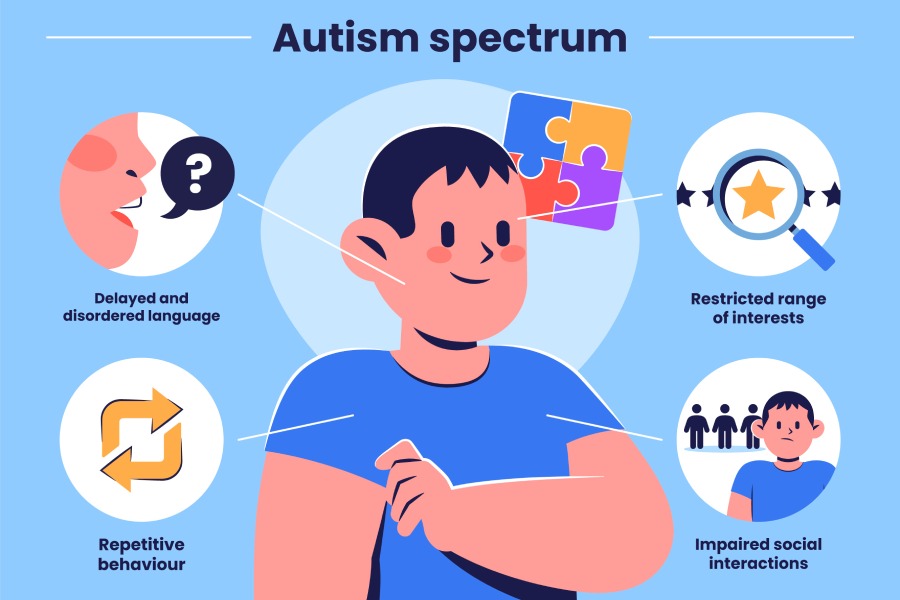
When the golden years arrive, the focus often shifts to comfort, companionship, and continuity of care. Yet, for families caring for elderly relatives with autism, the journey can feel like navigating a maze with a blindfold. If you’re looking for a local autism support group for elder care, you’re not alone. This guide walks you through the terrain, offering practical steps, insider tips, and a sprinkle of light humor to keep the mood bright.
Understanding the Landscape of Elder Care and Autism
Why the Elder Population Matters
Autism isn’t a condition Autistic burnout that disappears with age. Many seniors still experience sensory sensitivities, communication challenges, and routine dependencies. As the population ages, the need for specialized support grows—think of it as a lighthouse guiding weary ships through stormy waters.
Common Challenges Faced
- Medical comorbidities that complicate routine care Social isolation stemming from limited interaction opportunities Communication barriers that make it hard to express needs
These hurdles can leave caregivers feeling like they’re juggling flaming torches while walking a tightrope.
The Role of Local Support Groups
What Makes a Good Support Group
A thriving group offers:
- Peer understanding: shared experiences reduce the feeling of “I’m the only one.” Resource sharing: tips on medication management, therapy options, and respite care. Emotional support: a safe space to vent without judgment.
Think of it as a cozy campfire where everyone brings their own marshmallow.
How They Help Families
- Information exchange: up‑to‑date knowledge about policies and programs. Advocacy: collective voice to influence local services. Community building: friendships that extend beyond the meeting room.
A supportive network can transform the caregiving experience from a solo sprint to a relay race.
Steps to Find a Local Autism Support Group for Elder Care
Start with Online Search
Use search engines with targeted phrases like “autism support group for seniors near me” or “elder autism care community.” Add your city or ZIP code to narrow results. Check:
- Official websites Community bulletin boards Review platforms like Google Maps
Reach Out to Healthcare Providers
Ask your geriatrician, neurologist, or primary care doctor for referrals. They often know of:
- Specialist clinics that host support groups Therapists who collaborate with local organizations Hospice services that incorporate family support
Healthcare professionals can be your personal tour guides.
Check Community Centers & Libraries
Many community centers, senior centers, and libraries host support meetings. Scan:
- Event calendars Notice boards Social media pages
These venues tend to be welcoming and easily accessible.
Leverage Social Media & Forums
Facebook groups, Reddit threads, and Nextdoor communities are treasure troves. Search for:
- “Autism senior support” “Elder care autism”
Remember to verify the group’s credibility by checking member reviews and engagement.
Evaluating the Group Before Joining
Questions to Ask
- How long has the group been active? Who leads the meetings—trained professionals or volunteers? Are meetings held in a quiet, accessible location?
These simple queries can reveal a lot about the group’s stability and suitability.
Red Flags to Watch
- Lack of clear objectives or agenda Overly informal or chaotic meetings No mention of privacy or confidentiality
If something feels off, it’s worth exploring other options—after all, a good fit is like https://www.4shared.com/s/fqv4Nz_Fpjq a well‑tuned instrument.
Making the Most of Your Experience
Participation Tips
- Attend a few sessions before committing fully. Bring a notebook to jot down useful tips. Engage politely—ask questions, share experiences, but respect others’ boundaries.
Remember, you’re not just a guest; you’re a valuable contributor.
Building Your Own Network
- Connect with other caregivers for informal support. Share resources—books, apps, or local services. Offer to help—even small tasks can strengthen bonds.
A strong network can become your lifeline during challenging times.
The Perfect Gift Awaits
Imagine walking into a room where everyone knows your name, your story, and your needs—no surprise, no awkwardness. That’s the gift of a well‑chosen support group. By following the steps above, you’ll uncover a community that feels less like a chore and more like a companion on the journey.

*“The best way to find yourself is to lose yourself in the service of others.”* – Mahatma Gandhi
As you search, ask yourself: What if the right group could transform daily caregiving into a shared adventure? The answer often lies just a few clicks or a phone call away. Reach out, explore, and let the community you find become the bridge that makes elder care for autism not just manageable, but meaningful.